
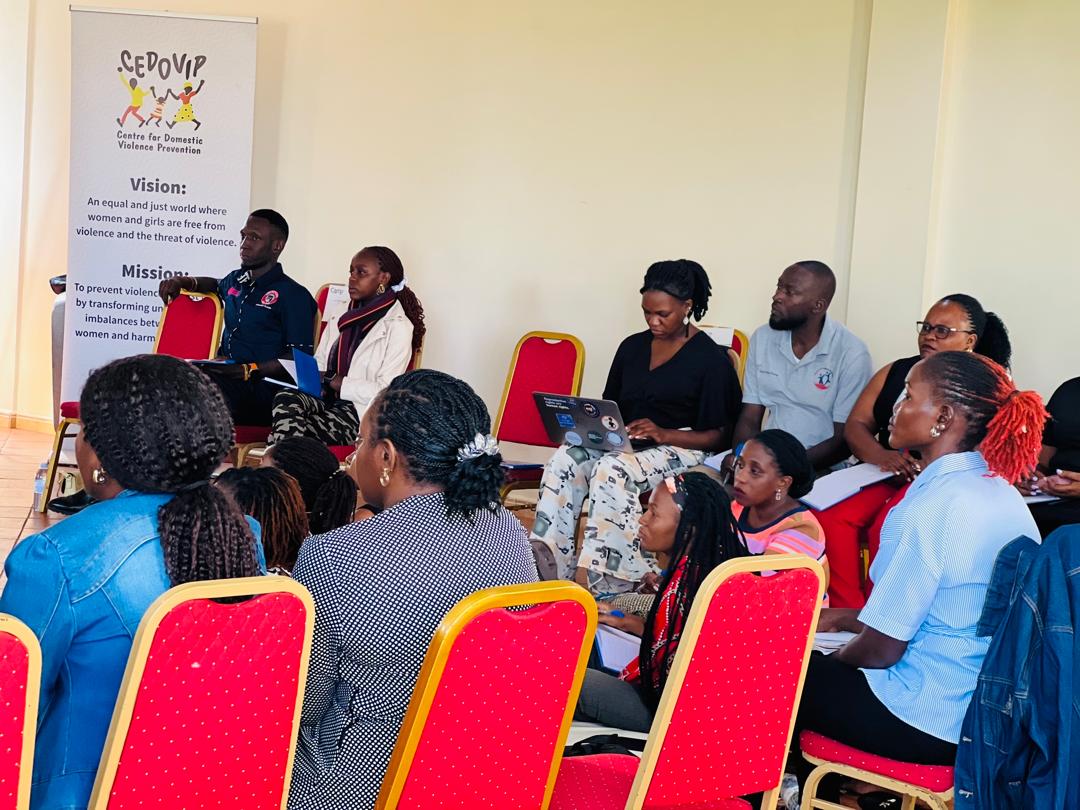
The Centre for Domestic Violence Prevention (CEDOVIP), in partnership with the Girls First Fund (GFF), successfully concluded a dynamic three-day capacity-building workshop today in Uganda’s Central Region. This initiative brought together key stakeholders from the Girls Not Brides Uganda (GNBU) Central Region network, including GFF grantees, for hands-on training in advocacy, strategic communication, and community engagement.
The workshop’s core focus was equipping participants with practical tools to dismantle the pervasive threats of child marriage and teenage pregnancy which continue to undermine girls’ rights, health, and futures in Uganda.
With over 34% of Ugandan girls married before the age of 18 ranking the country among the top 16 globally for child marriage prevalence the workshop addressed entrenched root causes such as poverty, gender inequality, and limited access to education and reproductive health services.
Funded by GFF, a collaborative donor initiative dedicated to amplifying girls’ voices and preventing early unions, the event underscored the power of collective action in fostering safer, more equitable communities.
CEDOVIP, renowned for its evidence-based SASA! program that has reached nearly 200,000 women and trained 200 community groups to shift harmful gender norms, facilitated the sessions to ensure culturally relevant and actionable outcomes.
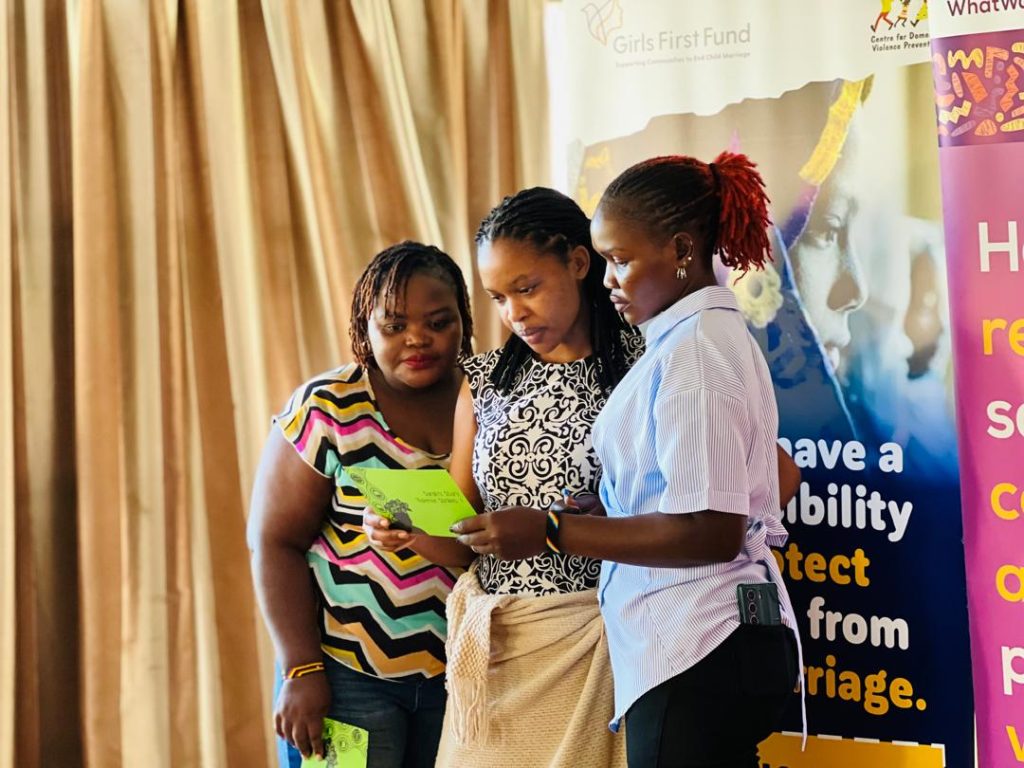
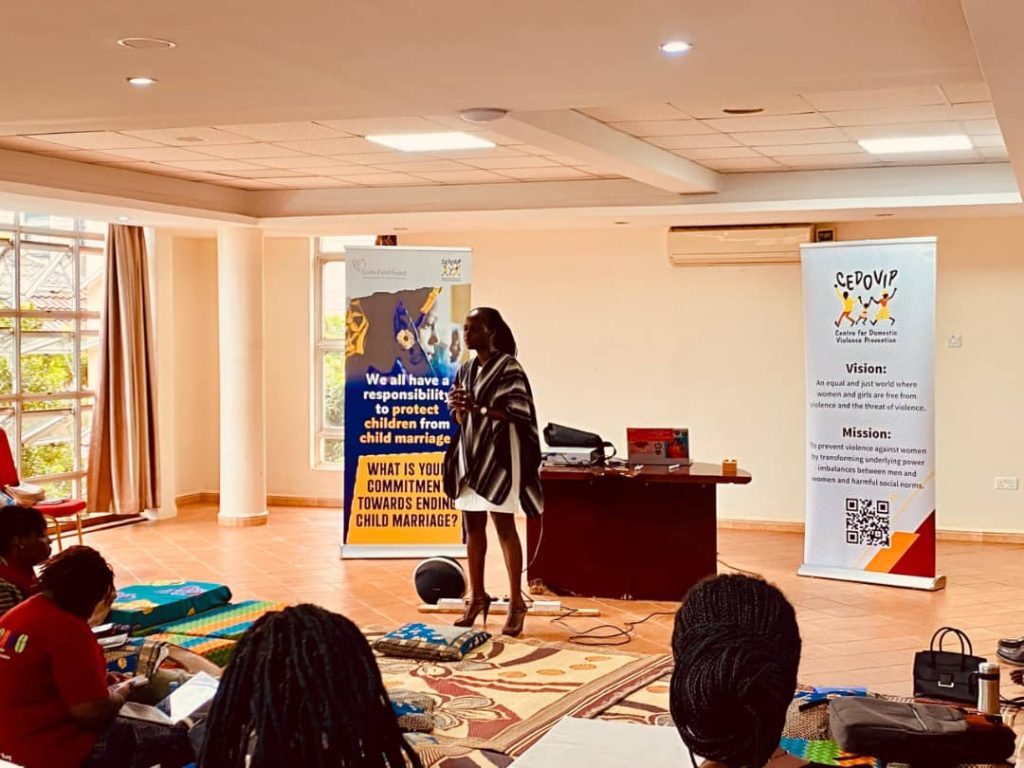
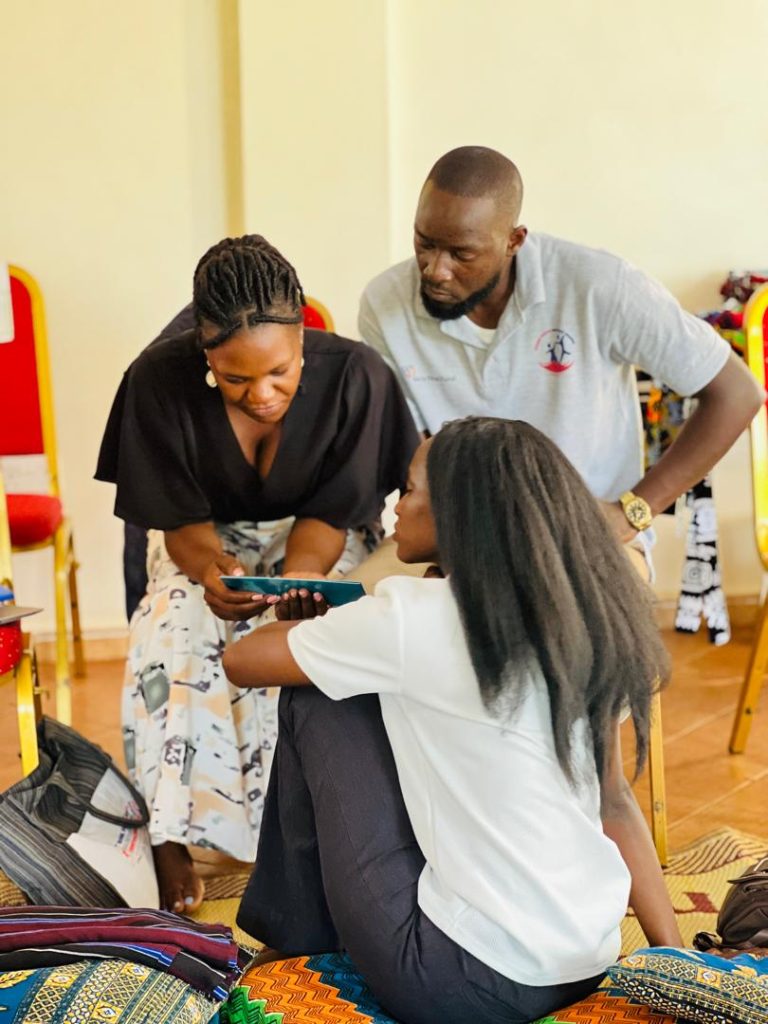
The workshop’s structure blended expert-led presentations, facilitated group discussions and immersive interactive exercises, creating an environment ripe for knowledge exchange and skill-building.
Participants engaged into the multifaceted drivers of child marriage, including economic pressures that push families to view early unions as a survival strategy. Sessions on gender-responsive messaging equipped attendees with techniques to craft narratives that challenge patriarchal norms and empower girls to claim their agency.
A highlight was the dedicated module on leveraging social media and digital platforms to amplify girls’ stories, fostering broader public discourse and policy influence. “In an era where online advocacy can bridge remote communities with national decision-makers, these tools are game-changers,” noted a CEDOVIP trainer during a live demonstration of hashtag campaigns that have mobilized anti-child marriage movements across East Africa.
By the workshop’s close, participants had collaboratively developed tailored advocacy plans for their localities ranging from community dialogues in Wakiso District to school-based awareness drives in Mukono.
These plans, now primed for rollout with ongoing support from CEDOVIP and GFF, emphasize measurable goals like increased reporting of early marriage cases and enhanced access to sexual and reproductive health services.
Among the standout participants was Health Promotion and Rights Watch Uganda (HPRW), an indigenous non-governmental organization (NGO) registered in 2014 and deeply embedded in GNBU’s network.
HPRW, which operates across urban slums, refugee settlements, and rural hard-to-reach areas in districts like Bushenyi and Kampala, has long championed the rights of vulnerable women and children through health promotion, advocacy and capacity-building. With a mission to improve living conditions via, social mobilization and human rights education, HPRW’s involvement in the workshop marked a pivotal expansion of its toolkit against child marriage.
HPRW delegate, reported profound benefits from the training. “The advocacy frameworks we gained—particularly in crafting policy briefs and engaging local leaders have demystified how to turn community stories into systemic change,” shared Tyson Shanda, HPRW’s Communications Lead.
The interactive exercises on root cause analysis helped HPRW refine its understanding of how child marriage intersects with broader vulnerabilities, such as limited menstrual hygiene resources that force girls out of school and into early unions.
Delegates also praised the social media training, noting it would enhance HPRW’s existing career guidance programs, which already provide sanitary pads and goal setting workshops to deter teenage pregnancies.
Looking ahead, HPRW plans to deploy these tools through an integrated, multi-pronged strategy that weaves in its core expertise in health promotion. Central to this is blending advocacy with food and nutrition security a critical nexus for ending child marriage.
In Uganda, where food insecurity affects over 41% of the population and drives negative coping mechanisms like marrying off daughters to reduce household burdens, malnutrition exacerbates the cycle.
Girls in food-stressed homes face higher risks of early marriage, as families prioritize scarce resources for boys or view unions as a means to secure bride price for immediate sustenance.
Moreover, child brides often endure chronic undernutrition, leading to anemia, low birth weights, and intergenerational health crises; studies show that women married young are 25% more likely to experience severe malnutrition, with ripple effects on their children’s stunting rates, which hover at 29% nationally.
HPRW’s enhanced advocacy plans will operationalize this insight through innovative, nutrition-infused interventions. In Bushenyi District, for instance, the organization will launch “Nourish Her Future” community outreach programs, combining the workshop’s messaging strategies with hands-on food security initiatives.
These include distributing micronutrient-rich seeds (e.g., orange-fleshed sweet potatoes and biofortified beans) and conducting training on home gardening.
Advocacy plans will frame these as empowerment tools, educating families on how nutritious diets reduce economic desperation and delay marriage. Social media campaigns will showcase success stories of girls leading garden cooperatives, using hashtags like #FeedHerDreams to rally community buy-in.
HPRW will also roll out nutrition education and SRHR linkages through peer-led sessions in schools and women’s groups, teaching balanced feeding practices alongside reproductive rights.
This addresses the double burden: teenage pregnancies strain maternal nutrition, while malnourished girls are less resilient to coercion. Follow-up webinars will monitor progress, with metrics tracking improved dietary diversity and reduced child marriage reports.
Armed with drafted advocacy blueprints, HPRW will lobby district leaders for nutrition-sensitive policies, such as integrating anti-child marriage clauses into Uganda’s Multi-Sectoral Food Security and Nutrition Project.
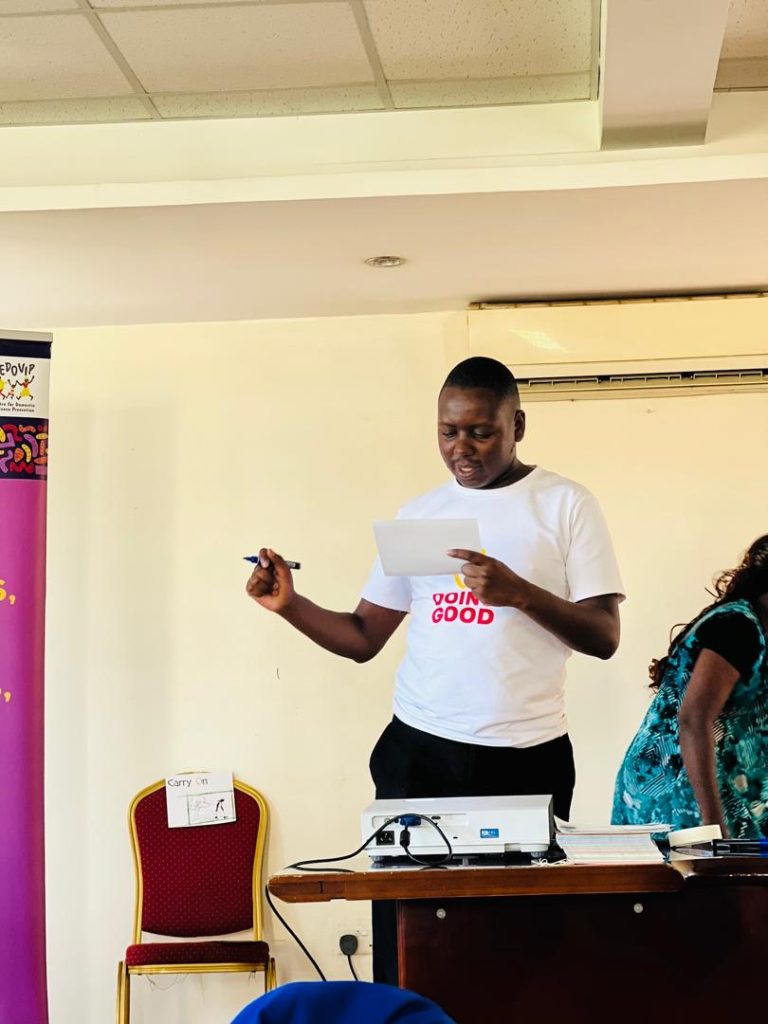
Collaborations with GNBU peers and GFF grantees will scale these efforts, targeting refugee-hosting areas where food aid gaps heighten marriage risks.”This training has supercharged our ability to connect the dots between empty plates and stolen childhoods,” Tyson added. “By blending advocacy with nutrition, we’re not just preventing marriages we’re building resilient families where girls thrive as leaders, not brides.”
The workshop yielded tangible, far-reaching results that promise to ripple across Uganda’s Central Region.
Every participant departed with customized toolkits, including advocacy templates, messaging guides, and digital content calendars, ensuring immediate implementation. The event catalyzed deeper alliances among GNBU members and GFF grantees, paving the way for joint campaigns and resource-sharing platforms.
A robust follow-up calendar includes monthly mentorship sessions, quarterly webinars, and impact evaluations to track reductions in child marriage rates and teenage pregnancies.
In his closing remarks, the GNBU Central Region Coordinator expressed heartfelt gratitude to CEDOVIP and GFF for their inclusive approach: “This isn’t just training it’s a deliberate investment in us as change agents. The synergy between Girls Not Brides and GFF is igniting a movement and we’re confident these skills will fuel policy wins and grassroots mobilization.”
CEDOVIP’s Program Manager echoed this optimism: “This workshop is more than an event; it’s a vital step toward a Uganda where every girl is nourished in body and spirit, shielded from early marriage and unintended pregnancies.
We’re excited to witness the transformative impact from healthier communities to empowered voices in the months ahead.”
As Uganda advances its National Strategy to End Child Marriage and Teenage Pregnancy (2022/2027), initiatives like this underscore the urgency of multi-sectoral collaboration. With partners like HPRW leading the charge on nutrition-integrated advocacy, the path to a girl-centered future feels both ambitious and achievable.