
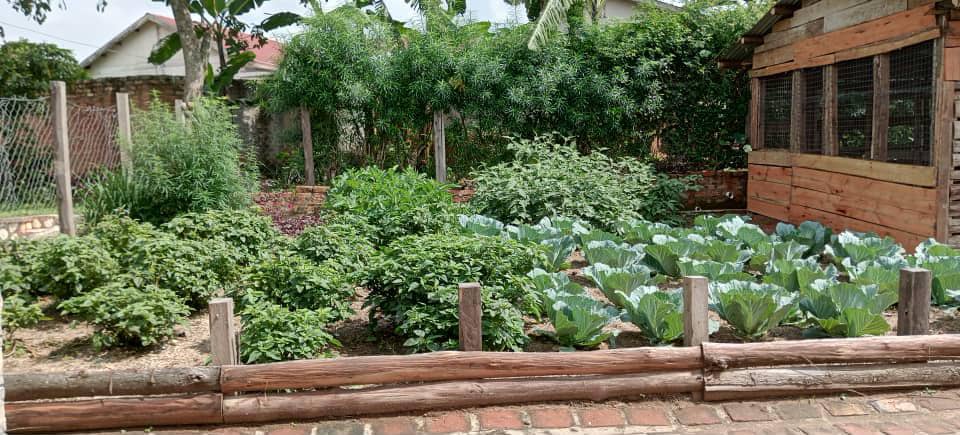
With the global population expected to reach over 9 billion by 2050, there is a continuous need to increase food production and buffer stocks. In this scenario, countries around the world, especially developing countries where the pervasiveness of hunger and food scarcity is more acute, are resorting to various counter strategies to meet the growing demand and to avert food insecurity and famine.
Over the recent years there has been growing interest to strengthen and intensify local food production in order to mitigate the adverse effect of global food shocks and food price volatilities. Consequently, there is much attention towards home gardens as a strategy to enhance household food security and nutrition. Home gardens are an integral part of local food systems and the agricultural landscape of developing countries all over the world and have endured the test of time.
In Uganda, where smallholder farmers form the backbone of food production, home gardens often called kitchen gardens play a vital role in providing diverse, nutrient rich foods directly to households. These small plots around homes cultivate vegetables, fruits, herbs and sometimes small livestock, offering year-round access to fresh produce that combats malnutrition and boosts family health.
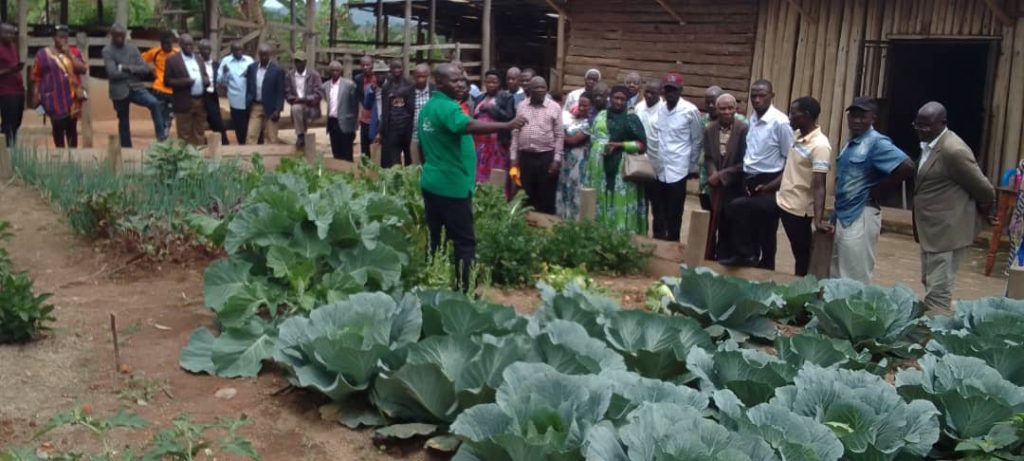
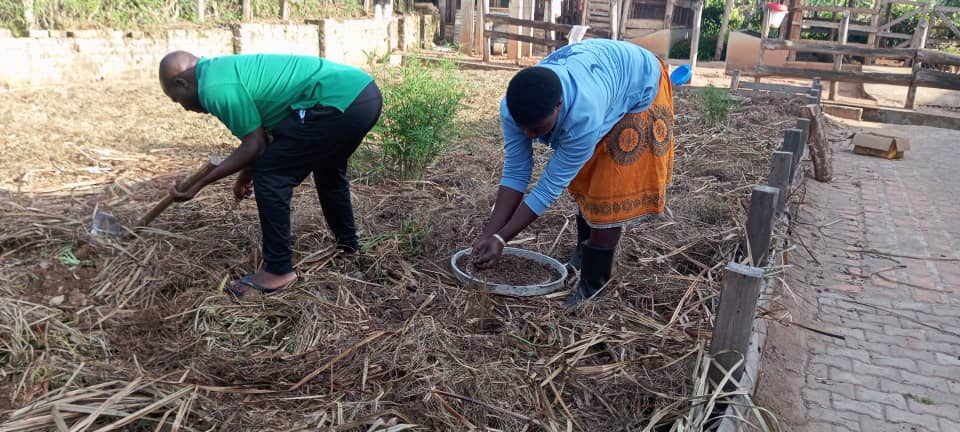
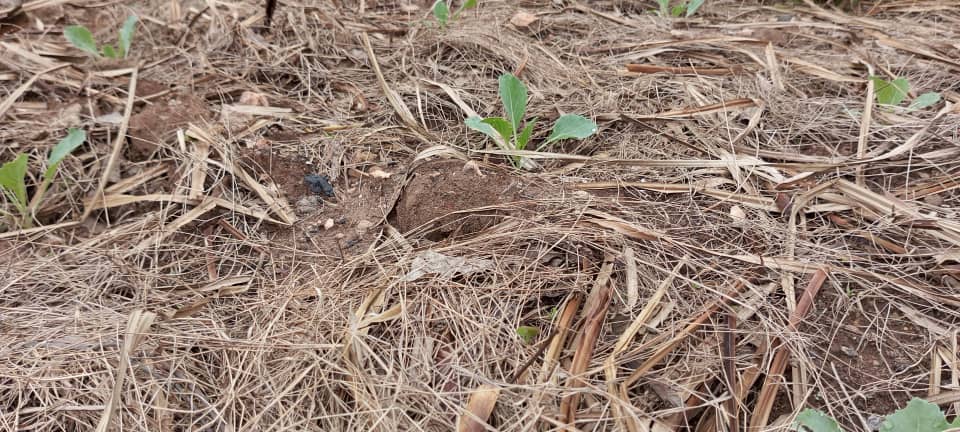
Through our Integrated Small Household Enterprise Model, we work closely with smallholder farmers, particularly women in rural areas like Bushenyi District, to establish and sustain productive home gardens. As Health Promotion and Rights Watch Uganda (HPRW Uganda), we have supported over 500 households and 20 women groups, empowering over 300 women farmers with training in sustainable, diversified farming practices, facilitating access to land and resources, and promoting shared decision-making in households.
Specific support includes distribution of 10,000 vegetable seedlings, establishment of 10 demonstration gardens, and provision of small livestock to 50 households. By doing this we deliver tailored nutritional support programs that encourage growing micronutrient-rich crops such as leafy greens, beans, and fruits crops that directly improve dietary diversity and child nutrition.
By focusing on agroecology, we help families build resilience against climate shocks, reduce reliance on expensive market foods and generate small incomes from surplus produce. In Bushenyi and other rural communities, our initiatives including partnerships with local cooperatives have transformed backyards into thriving gardens.
These efforts not only enhance household food security but also boost incomes, promote gender equity, and foster long-term well-being. As global challenges intensify, home gardens supported by organizations like HPRW Uganda prove that grassroots solutions can create lasting change. By investing in smallholder farmers and simple, sustainable practices, we can nourish families today and secure a healthier future for generations to come. We continue to lead this vital work, reminding everyone that true food security starts at home.