As the world prepares to celebrate International Women’s Day on March 8, 2026, under the inspiring theme “Give To Gain,” the message is clear and profound: when we intentionally give knowledge, skills, resources, and opportunities everyone gains. In Uganda, this principle comes alive through the work of Health Promotion and Rights Watch Uganda (HPRW), where investing in women’s nutritional leadership transforms families from cycles of hunger into paths of health, stability and hope.
Uganda faces a persistent and serious hunger crisis. The 2025 Global Hunger Index assigns the country a score of 20.2, classifying hunger as “serious.” This reflects deep-rooted challenges: 22.0% of the population is undernourished, 23.5% of children under five suffer from stunting (chronic malnutrition that hinders physical growth and cognitive development), 3.2% experience wasting (acute malnutrition), and 3.9% of children do not survive to their fifth birthday. Anemia plagues 32.8% of women aged 15-49, weakening mothers and perpetuating vulnerability across generations. In regions like Karamoja, the burden intensifies with recent data showing 41.4% stunting, 13.0% wasting, and 55.1% anemia among children aged 6-59 months, alongside 4.6% of children facing the devastating triple burden of wasting, stunting, and anemia simultaneously. These figures reveal not just statistics, but stories of families struggling with poor diets, limited services, climate shocks and socioeconomic barriers.
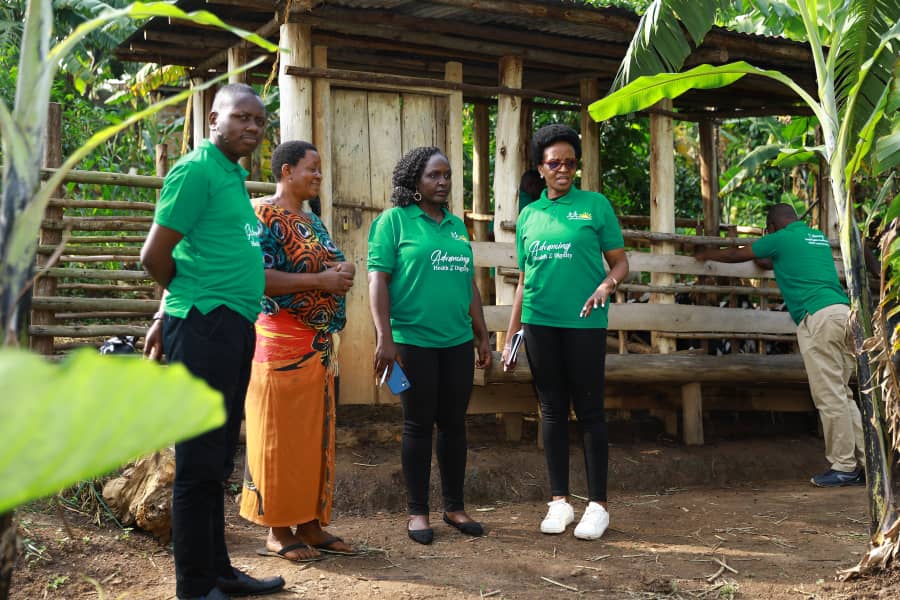
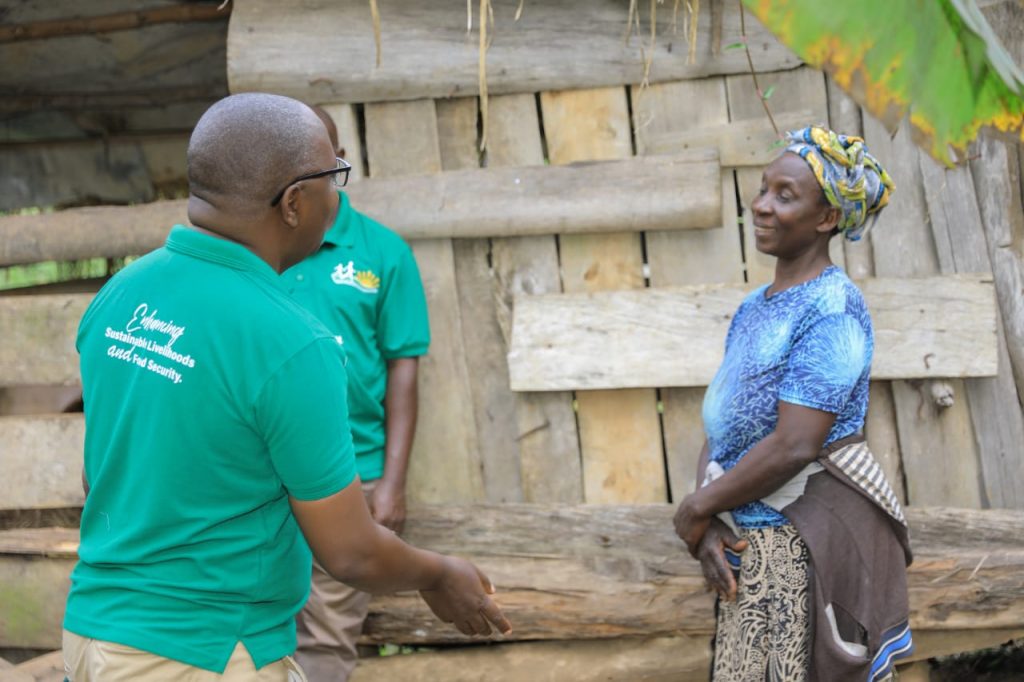
Women stand at the heart of this struggle and the solution. As primary caregivers responsible for food preparation and child feeding, they hold immense potential to break malnutrition cycles. Yet gender inequalities often deny them equitable access to land, training, markets and decision making. Targeted nutritional programs change this reality, turning women’s empowerment into household-wide gains.
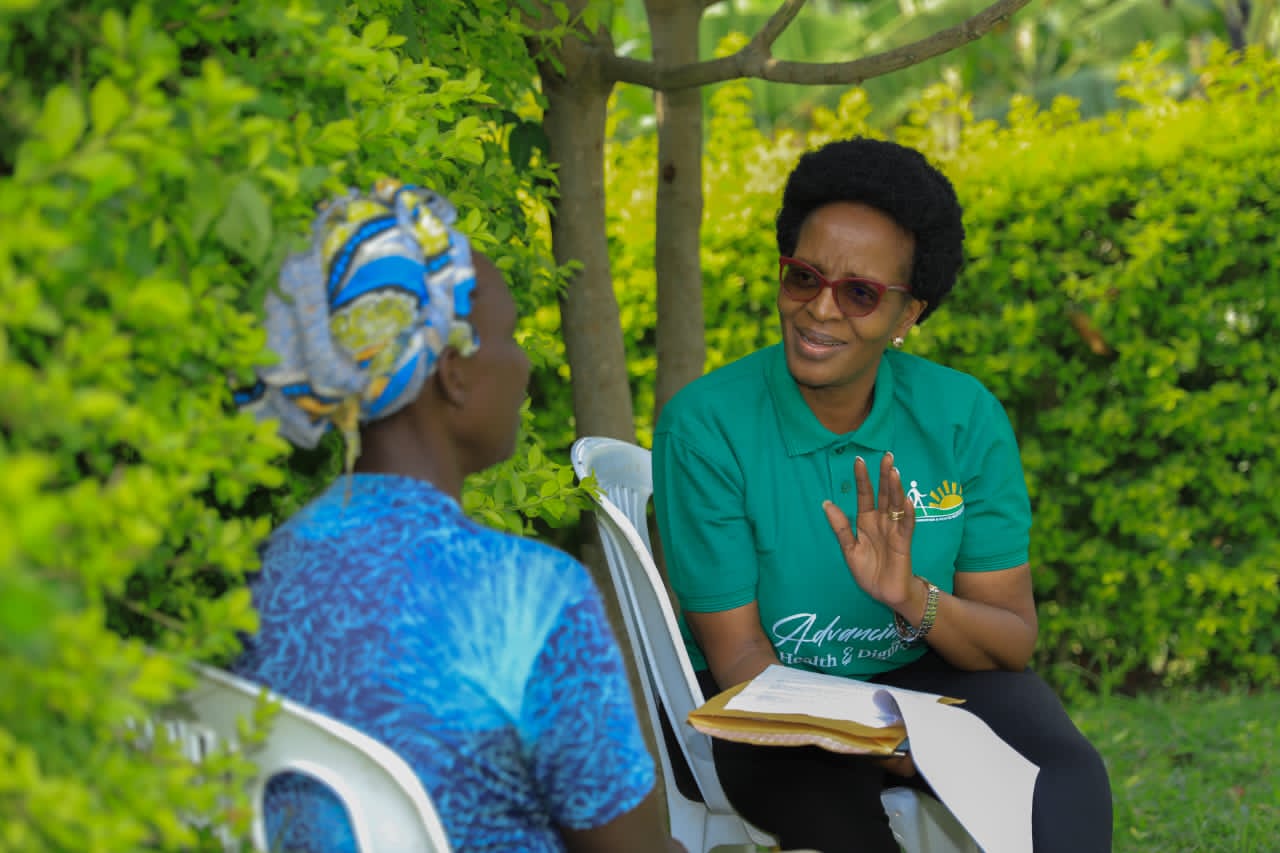
HPRW drives this transformation through its Integrated Small Household Enterprise Model (ISHEM), a community centered approach that builds resilient, productive households even on limited land. Within ISHEM, HPRW delivers tailored nutritional support, prioritizing women and children in urban slums, refugee settlements, and rural areas. The model focuses on diversified food production, better infant and young child feeding practices and greater access to nutrientnrich foods.
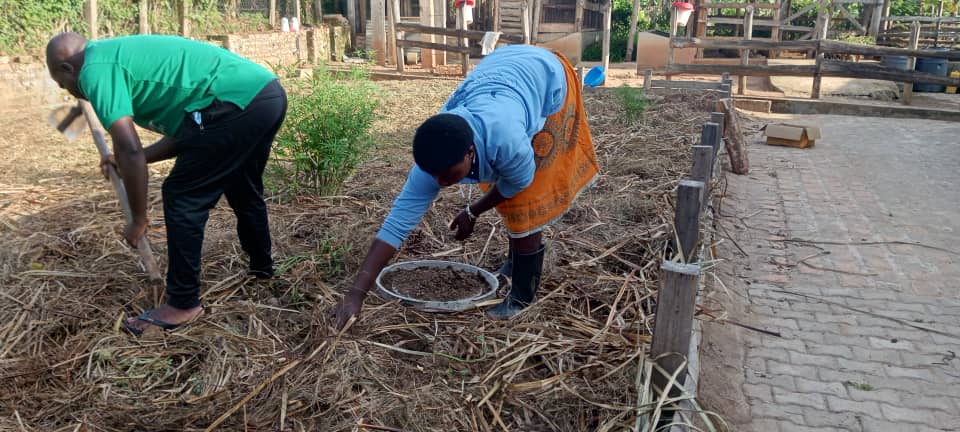
Women participate in hands on sustainable agriculture training, learning climate-resilient techniques: enhancing soil fertility, shifting from monocropping to diverse planting, and cultivating nutrient dense crops like vegetables, legumes and fruits. These practices increase dietary variety and protect against shocks like drought. Nutrition education workshops equip them with life changing knowledge covering balanced diets, minimum dietary diversity for children (intake from multiple food groups), exclusive breastfeeding (which has risen nationally but requires sustained support), timely complementary feeding and micronutrient strategies to combat anemia and stunting. Participants discover practical, affordable ways to prepare nutritious meals from local ingredients, turning limited resources into nourishing family meals.
HPRW goes further by providing access to land, seeds, tools and entrepreneurial training, while forging market linkages and value chains. As women generate income, households afford consistent diverse foods, moving away from reliance on low-nutrient staples. The results are powerful: empowered mothers prioritize family nutrition, leading to healthier child growth, lower stunting risks, stronger pregnancies and reduced intergenerational malnutrition. Evidence confirms these gains nutrition education for women boosts crop diversity, dietary variety, and overall household food security. Knowledge and agency elevate exclusive breastfeeding, curb anemia and build lasting resilience.
HPRW ensures lasting impact through a rigorous cycle: assessment, implementation, monitoring, evaluation, and adaptation. By involving community leaders to challenge harmful norms, programs gain broader acceptance and deeper reach.
With March 8, 2026 approaching under “Give To Gain,” Our work should remind that world that supporting women multiplies benefits far beyond the household. Healthier children learn better in school, families break free from poverty, and communities advance toward true equity. You can be part of this ripple effect by donating to expand programs, volunteering in trainings, partnering for scale, or advocating for policies that center women’s agricultural and nutritional roles.
In giving women the tools to champion household nutrition, Uganda gains nourished families, vibrant communities and a clearer path to ending hunger.