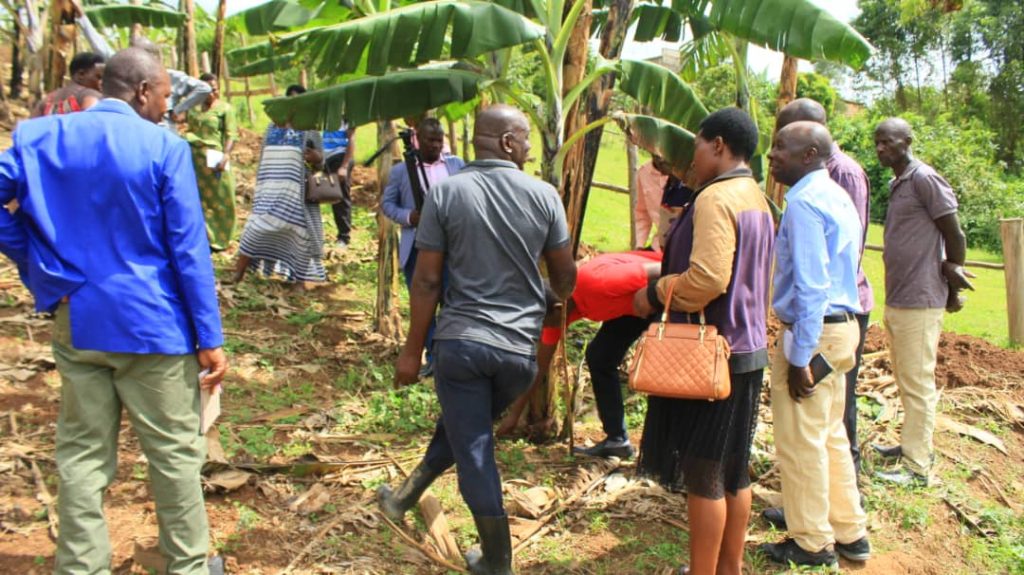
Small-scale food producers form the foundation of Uganda’s agriculture, growing the bulk of the nation’s food yet frequently trapped in cycles of hunger and low income due to restricted access to resources, markets, training and resilient techniques. Targeted investments delivering training in sustainable farming, essential inputs, nutrition education and income diversification can disrupt these cycles by increasing household productivity, enhancing dietary diversity, generating marketable surplus and fostering long-term resilience.
At HPRW, our Integrated Small Household Enterprise Model (ISHEM) embodies this transformative approach, converting resource limited households into self reliant, productive units. ISHEM integrates sustainable agricultural practices like agroecology, soil restoration, climate-resilient crops and home gardening to boost local production while minimizing environmental harm and costs. It pairs these with nutrition and food security measures, including education on balanced diets, food waste reduction and strengthened household food systems. Economic empowerment comes through skill building for diversification, market connections and household enterprises that turn modest plots into sources of both sustenance and revenue. Cross cutting elements prioritize gender equity, child protection, community resilience and health linkages connecting agriculture to improved nutrition outcomes and reduced vulnerability.
Recent data underscores the urgency: Uganda’s 2025 Global Hunger Index score stands at 20.2, classifying hunger as serious an improvement from previous years but still highlighting persistent challenges. Between August 2025 and February 2026, an estimated 1.42 million people are projected to face high levels of acute food insecurity (IPC Phase 3 or worse), with improvements expected from harvests yet ongoing risks in regions like Karamoja. Acute malnutrition is projected to affect around 485,000 children under five and 91,000 pregnant or breastfeeding women in related periods. Rural poverty remains pronounced, with rates at approximately 19.4% in rural areas (2023/24 data, with rural zones consistently higher than urban at 10.3%), and multidimensional poverty impacting over half the population in vulnerable districts. Refugee hosting areas face compounded pressures from reduced aid, amplifying needs for sustainable, household-level solutions.
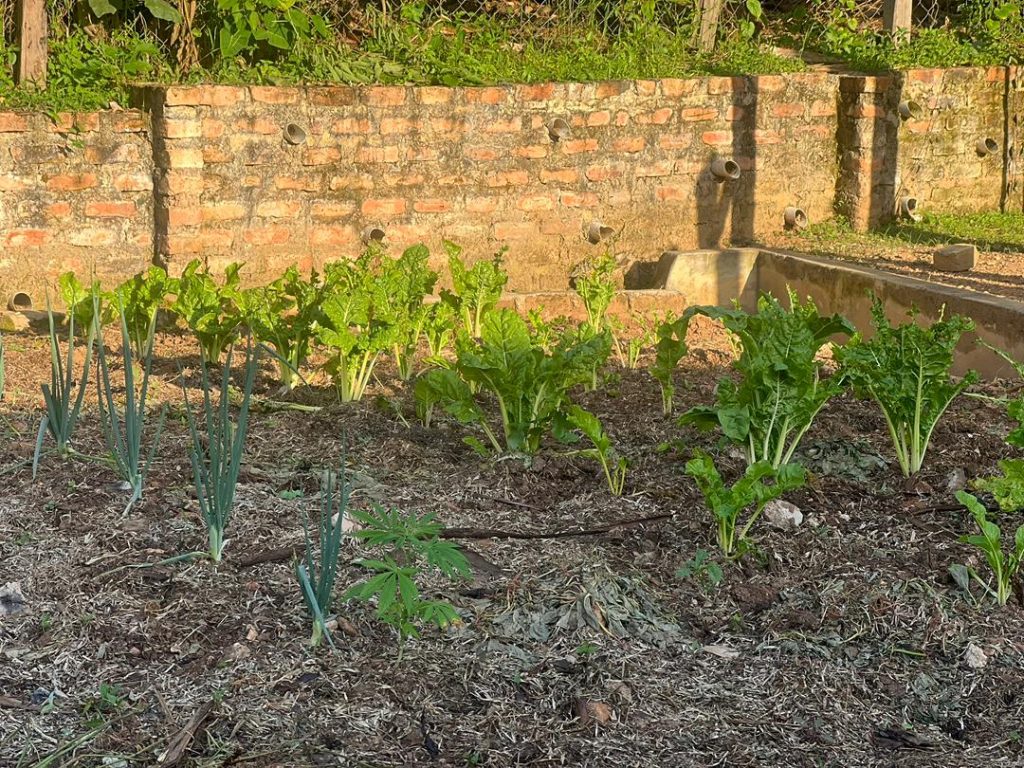
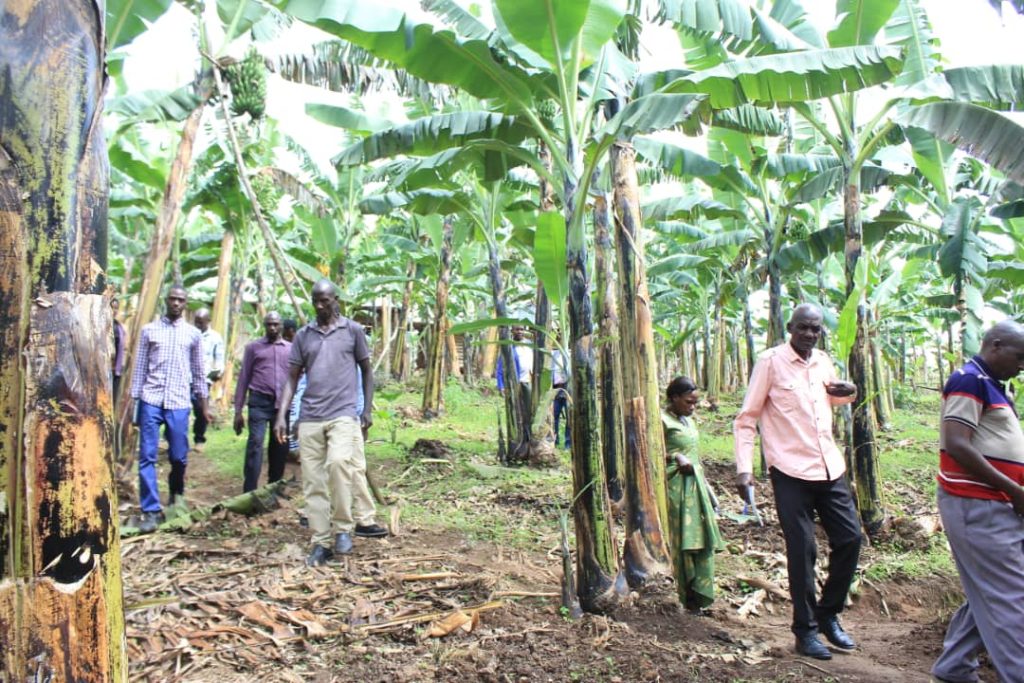
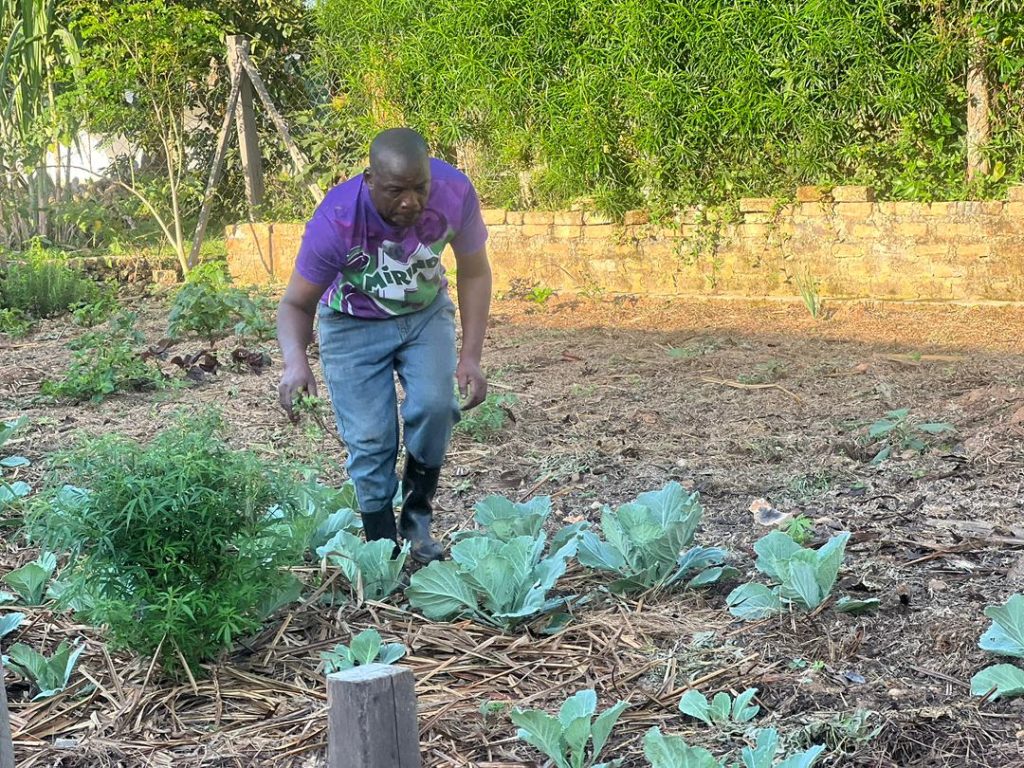
Through ISHEM and our ongoing programs, we deliver measurable progress on the ground. Our coffee extension initiative trains farmers in best practices for existing bushes, increasing yields and linking them to processors and markets for improved prices. At Hunga Agro Centre, we’ve supported household farmers in diversifying into cash crops like coffee, optimizing small budgets for greater earnings and economic stability. Small scale food production efforts reduce poverty risks, empower women and strengthen child protection by enhancing nutrition and breaking cycles of vulnerability leading to positive shifts in social norms, such as reduced child marriage tied to economic hardship.
Capacity building workshops train rural women in sustainable practices, including drought-resistant crops and value chain linkages, yielding productivity gains in pilot communities.Our Hunga Agro Center serves as practical learning hub for kitchen gardens, supplying fresh, nutritious food to bolster household security. By promoting eco-friendly techniques, we build resilient livelihoods while safeguarding the environment aligning with national and global goals for zero hunger, sustainable agriculture, and equity.
These household level innovations not only tackle immediate hunger but also cultivate healthier families, empowered women and youth, thriving rural economies and more stable food systems. As we demonstrate, when small scale producers succeed, entire communities advance proving that grassroots, integrated solutions are essential for sustainable development in Uganda.
Investing in small-scale food producers is more than support; it’s a commitment to dignity, resilience, and a food-secure future for all.